Article: What Are Grip Socks Used For?
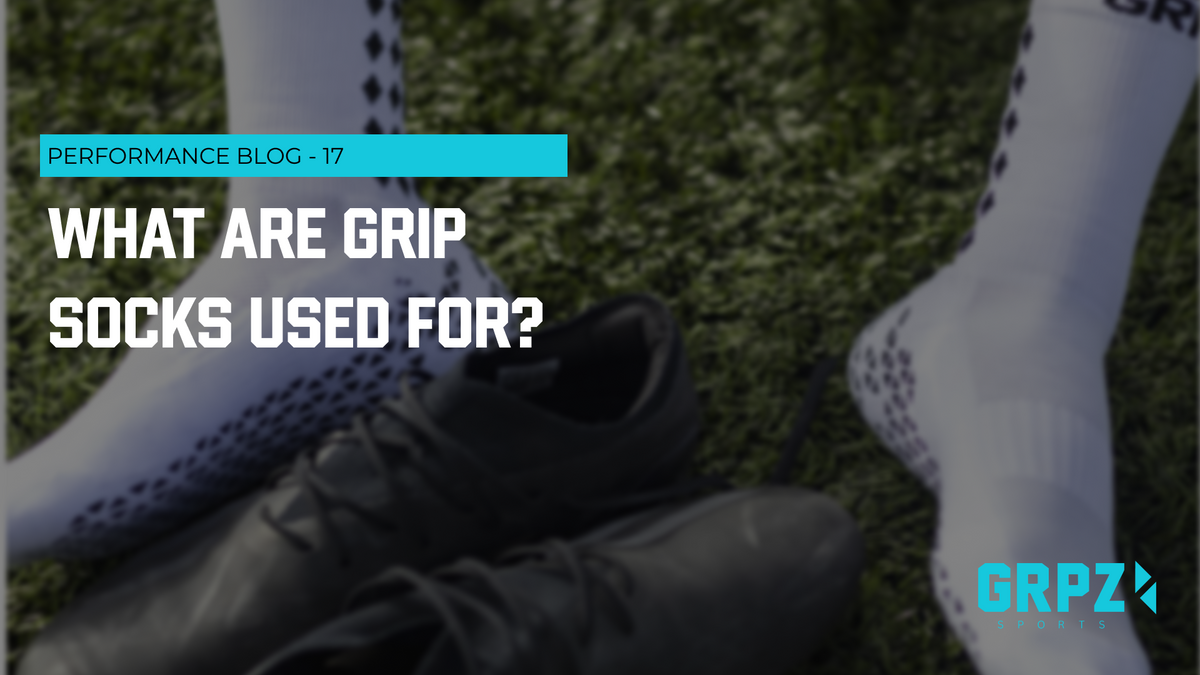
What Are Grip Socks Used For?
Grip socks look simple. They are sports socks with grip on the sole.
What they are used for depends on where you wear them. Here are the main uses, and how to choose a pair.
What grip socks are
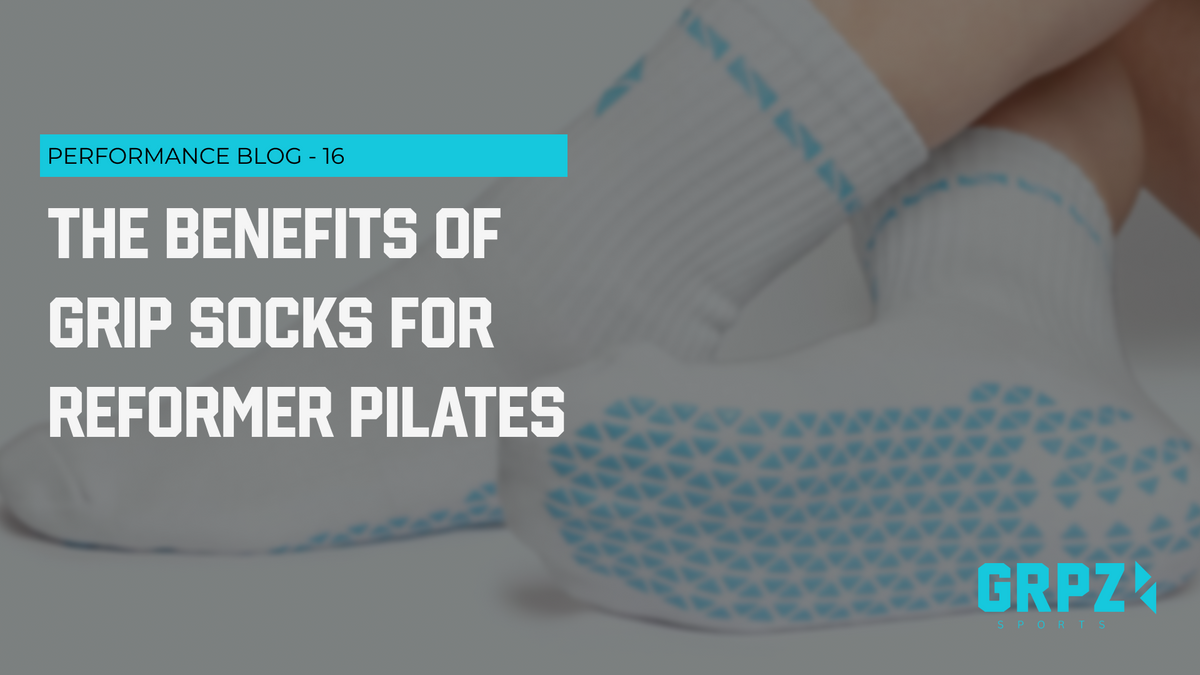
Grip socks are sports socks with grip built into the sole. On GRPZ socks, the grip nodes are PVC and triangular. They sit on the outside of the sock and give the sole something to hold.
That grip does one of two jobs. Inside a shoe or boot, it helps hold the sock against the insole so your foot moves less. On a smooth floor, it helps hold your foot against the surface.
The sock itself is still a sock. The grip is there to do a job, not to change how the sock sits on your foot.
Inside a shoe or boot
This is the use most people know from football. A standard sock can shift against the insole as you move. It slides, bunches and rubs.
Grip on the sole keeps the sock closer to where you put it. That means a steadier fit and less friction between foot and shoe. Friction is where blisters start, which is why some people wear grip socks to break in new shoes.
It is a small difference, and it is easy to feel when it is missing. A sock that creeps down the heel or twists under the arch makes you adjust as you move. Grip on the sole is one way to reduce that.
Sports with quick turns and sudden stops, such as football, tennis, padel and handball, are where people notice it most. Some runners wear them for the same reason.
On a studio floor
Pilates, barre and yoga are often done in socks on a smooth floor. Bare or plain socked feet can slide, and that makes it harder to stay stable and precise.
Grip socks give the foot something to push against. You can hold a position, shift your weight and move through a sequence without thinking about your footing. That is why they are common in pilates classes.
The same applies when you are standing, kneeling or balancing on one leg. The surface does not change, but your hold on it does.
Around the home and beyond sport
Not every use is athletic. Grip socks are also worn by older people who are at risk of falling, including in hospitals where floors are smooth and clean. They are used at home on slippery surfaces, and at trampoline parks.
The job is the same in each case. The grip gives the wearer extra stability on a surface that offers little.
What grip socks do not do
They are not a brace, and they do not make up for the wrong shoe or the wrong size. They help with grip and fit. They do not guarantee you will avoid a slip or an injury.
A sock that is too loose will bunch, and one that is too tight will be uncomfortable. Fit matters as much as the grip itself.
Picking your pair
Start with where you will wear them.
- For shoes or boots, look for a snug fit with no loose fabric at the heel or toe.
- For a studio, choose a sock that stays in place on your foot without pinching.
- For around the home, comfort and a secure fit matter most.
Machine wash at 30°C and air dry only. That keeps the sock and the grip in good condition.
You can see the full range in the GRPZ all products collection.
Questions
What are grip socks used for?
They are used to add grip and stability. In a shoe or boot they reduce foot movement against the insole. On a smooth floor, such as a pilates studio, they help your foot hold its position. They are also used by people who want extra stability around the home.
Are grip socks only for football?
No. Football made them familiar, but they are also used in tennis, padel, handball, running and pilates. Any activity with quick changes of direction or a smooth floor can be a use.
Do grip socks help with blisters?
They can help. Blisters come from friction, and grip on the sole helps stop the sock sliding against your foot and the shoe. A good fit matters too. A grip sock in the wrong size can still rub.
Can you wear grip socks without shoes?
Yes. This is common in pilates and other studio classes, and around the home on smooth floors. The grip gives your foot something to hold against the surface.
Who else wears grip socks?
Older people at risk of falling wear them, including in hospitals. They are also used at trampoline parks and on slippery surfaces at home.
How should grip socks fit?
Snug, without squeezing. There should be no loose fabric at the heel or toe, and the grip should sit under the sole of your foot, not drift to the side. If you are between sizes, check the sizing guidance for your pair.
How do you wash grip socks?
Machine wash at 30°C and air dry only. Skipping the dryer helps maintain the integrity of the sock and the grip on the sole.